Western Blotting Allows The Detection Of Specific Proteins Within A Complex Biological Sample
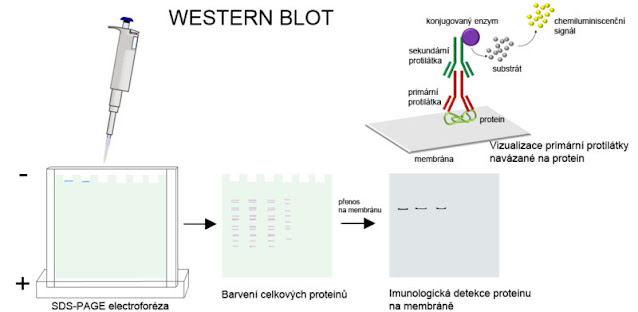
Western Blotting Western Blotting , also known as immunoblotting, is a powerful and widely used laboratory technique that allows the detection and characterization of specific proteins within a complex biological sample. This technique plays a crucial role in molecular biology, cell biology, and biochemistry research, enabling scientists to study protein expression levels, post-translational modifications, and protein-protein interactions. The blotting process involves several key steps. First, the sample containing the proteins of interest is separated by gel electrophoresis. Typically, sodium dodecyl sulfate-polyacrylamide gel electrophoresis (SDS-PAGE) is employed, which separates the proteins based on their size. The separated proteins are then transferred (blotted) from the gel to a solid membrane, usually made of nitrocellulose or polyvinylidene fluoride (PVDF). This transfer step is crucial as it allows for better protein visualization and interaction with antibodies. ...